Comprehensive Guide to Dental Bridges in Spring Hill, TN
About Dental Bridges
At Smile Hills Dental in Spring Hill, TN, we understand how important it is to restore your smile's functionality and appearance. Dental bridges offer an effective solution for replacing missing teeth. Under the expert care of Dr. Reetane Singh, DDS, patients can achieve a restored smile with this reliable restorative dentistry option.
Understanding Dental Bridges and Their Role in Restorative Dentistry
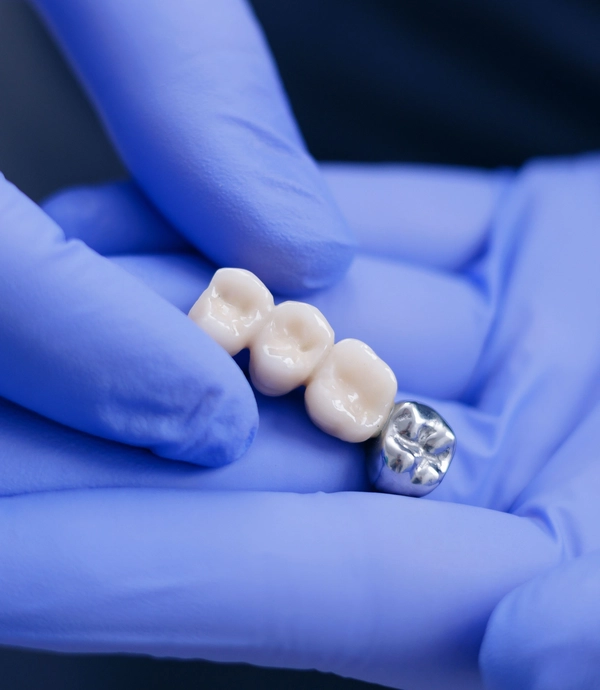
Dental bridges are fixed prosthetic devices used to replace one or more missing teeth by bridging the gap between two adjacent teeth. These structures are typically anchored on either side by crowns placed on natural teeth or implants. As Dr. Reetane Singh explains, a well-crafted dental bridge not only improves the aesthetics of your smile but also supports oral health by preventing remaining teeth from shifting.
Types of Dental Bridges Available
- Traditional Bridges: The most common type, using crowns on either side of the gap.
- Cantilever Bridges: Used when there are adjacent teeth on only one side of the missing tooth.
- Maryland Bonded Bridges: Employs a metal or porcelain framework bonded to the backs of existing teeth.
- Implant-Supported Bridges: Anchored by dental implants instead of crowns.
Why Consider Dental Bridges?
The advantages of opting for dental bridges include:
- Aesthetics and Confidence: Restore your natural smile appearance.
- Improved Functionality: Enhance your ability to chew and speak properly.
- Oral Health Benefits: Prevent misalignment and maintain jawbone integrity.
- Durability: With proper care, bridges can last many years.
The Dental Bridge Process at Smile Hills Dental
Your journey towards receiving a dental bridge involves several steps to ensure precision and comfort:
1. Initial Consultation: Dr. Singh assesses your dental health and discusses suitable options for your specific needs.2. Mouth Preparation: The abutment teeth are prepared by reshaping them to accommodate crowns. 3. Mold Impressions: Impressions of your teeth are taken to create a custom bridge. 4. Temporary Bridge Placement: A temporary bridge is fitted while the permanent one is fabricated. 5. Permanent Bridge Fitting: Once ready, the permanent bridge is adjusted for fit and comfort before being cemented in place.
Your Dental Bridge Experience: What to Expect
Information
The process for getting a dental bridge is straightforward yet meticulous, ensuring optimal results. Patients should expect some adjustment as they acclimate to their new restoration. Regular follow-ups help maintain longevity and oral health benefits associated with dental bridges. Dr. Singh emphasizes maintaining excellent oral hygiene practices post-procedure for enduring success.
Frequently Asked Questions
Request an Appointment
Schedule Your Visit Today